Affordable Cold Weather Apparel in Yellowknife
Explore the Key Benefits of Winter Clothing for Coziness and Comfort
Winter garments play a crucial part in providing warmth and comfort during frigid seasons. Effective insulation and appropriate fabric choices can greatly impact one's ability to stay cozy. Layering strategies additionally improve defense against severe weather. Additionally, accessories like hats and gloves contribute to overall comfort. Grasping these components is vital for picking suitable winter apparel. What aspects should someone contemplate when determining the best selections for the next see information on this season?
The Significance of Insulation in Cold Weather Apparel
Although many individuals could minimize the role of insulation in cold-season attire, it acts as a vital barrier against the cold. Insulation operates by containing air and forming a thermal layer that decreases heat loss from the body. The effectiveness of insulation hinges on its ability to maintain warmth without creating excessive bulk, allowing for comfort and mobility.
Various types of insulation materials, including down, synthetic fibers, and fleece, all offer specific qualities ideal for various activities and weather conditions. Down insulation, famous for its exceptional warmth-to-weight ratio, is excellent for extreme cold, while synthetic options provide moisture resistance.
Moreover, proper insulation promotes general health by protecting against hypothermia and frostbite, which can occur in extremely cold environments. Thus, acquiring adequately insulated winter clothing is crucial for keeping body heat and guaranteeing outdoor enjoyment during the colder months.
Choosing the Best Fabrics for Cold Weather
When selecting winter clothing, understanding the properties of different fabrics is vital for ideal warmth and comfort. Wool is often preferred for its natural insulating properties, effectively trapping heat while allowing moisture to escape. This makes it suitable for both active and sedentary wear. Synthetic materials, such as polyester and nylon, are also frequently-chosen choices due to their lightweight nature and quick-drying capabilities, ensuring that wearers remain dry and warm. Fleece, a soft and breathable fabric, delivers excellent insulation and is often used in layering for added warmth. For outer layers, windproof and waterproof fabrics like Gore-Tex are critical, as they guard against harsh weather conditions while maintaining breathability. In addition, blends of natural and synthetic fibers can offer a balance of comfort, durability, and performance. Choosing the right fabric is crucial to achieving maximum comfort and functionality during cold weather.
Layering Strategies for Peak Warmth
Proper layering is crucial for preserving warmth in frigid conditions. The foundation commences with a base layer that wicks dampness, followed by thermal mid layers that trap heat, and ultimately, an effective outer shell that shields against wind and precipitation. Grasping these components can greatly enhance warmth and warmth during cold weather activities.
Fundamental Base Layer Items
Grasping the significance of a suitable base layer is essential for keeping warm in cold weather conditions. The base layer works as the first line of defense against low temperatures, ensuring a tight fit that decreases heat loss. Materials like merino wool and synthetic fabrics are preferred for their moisture-wicking properties, which draw sweat away from the skin to sustain warmth. A appropriately chosen base layer also enhances comfort, enabling freedom of movement while capturing body heat. It is essential to pick the right thickness based on the activity level and weather conditions. By emphasizing quality and fit, individuals can efficiently manage body temperature, guaranteeing an comfortable experience in cold environments without limiting comfort or performance.
Insulation Middle Layers
An appropriately selected insulating mid layer significantly improves warmth in cold weather. This layer serves as an essential barrier against heat loss, trapping body warmth while permitting moisture from the base layer to escape. Materials like fleece, wool, or synthetic fabrics are commonly used for mid layers due to their excellent thermal properties and breathability. When selecting an insulating mid layer, individuals should consider fit, as a snug but comfortable design maximizes heat retention without restricting movement. Additionally, layering can be adjusted based on activity levels; a lighter mid layer may suffice for less vigorous outdoor activities, while a thicker option may be essential for prolonged exposure to extreme temperatures. As a result, the right mid layer substantially improves overall winter comfort.
Effective External Layers
Though it could be attractive to depend entirely on insulating layers for warmth, the selection of an high-quality outer shell is critical for ideal protection against severe winter elements. Outer shells function as the first line of defense against wind, rain, and snow, blocking these elements from penetrating the inner layers. Materials such as Gore-Tex or other waterproof fabrics are frequently chosen for their air permeability and resilience. An effective outer shell should sit comfortably over insulating layers, enabling freedom of movement without sacrificing thermal efficiency. Additionally, features like adjustable hoods, cuffs, and hems boost overall protection by sealing out cold air. Finally, picking the right outer shell is crucial for preserving warmth and comfort in winter conditions.
Accessories and Their Role in Winter Comfort
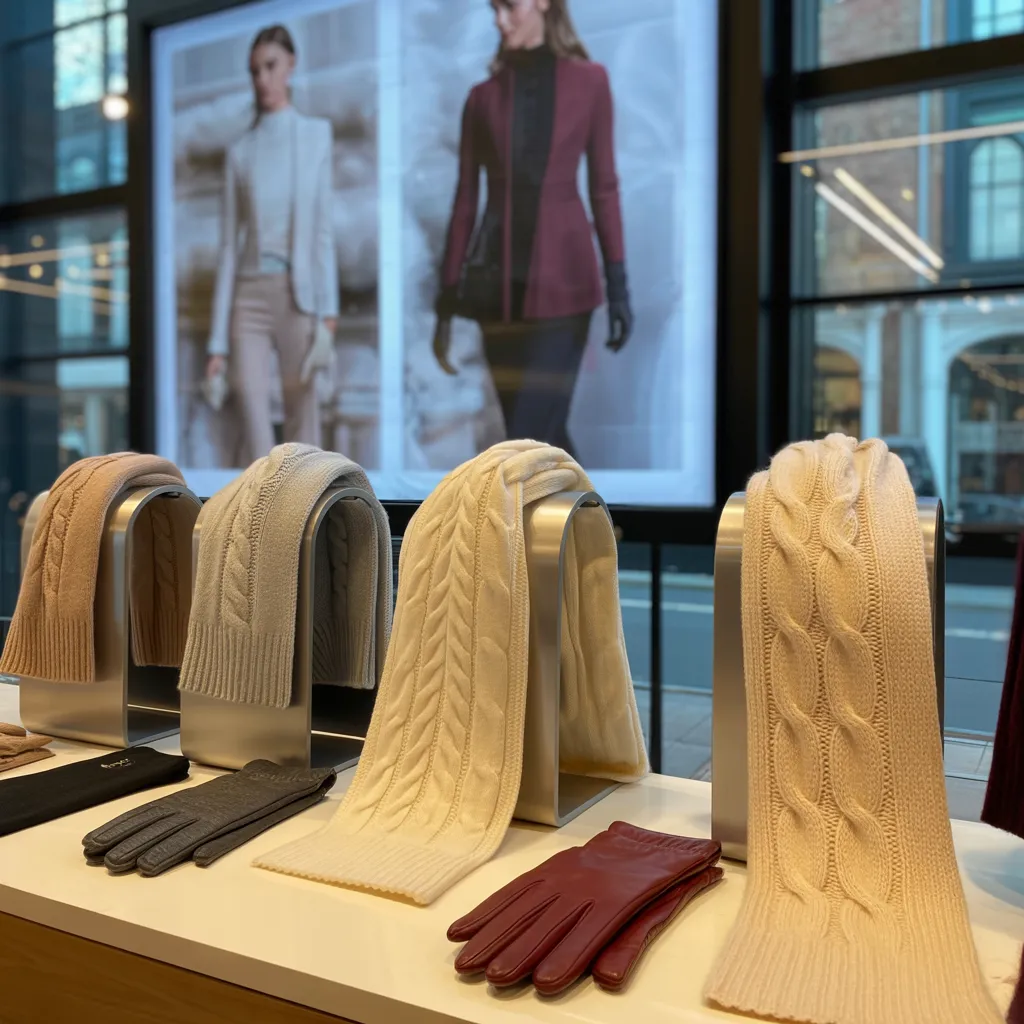
Accessories play an essential role in enhancing winter comfort, as they provide additional layers of warmth and protection against harsh weather conditions. Pieces including hats, scarves, gloves, and earmuffs are critical for preserving body temperature, as a significant amount of warmth can be lost through the head, neck, and extremities.
Hats provide insulation for the head, while scarves can protect the neck from biting winds. Gloves and mittens safeguard the hands, which are particularly susceptible to cold exposure. In addition, thermal socks and insulated footwear support overall comfort by ensuring feet stay warm and dry.
Adding layers of accessories provides both warmth and personalized style options, accommodating individual preferences while combating the chill. By strategically adding these essential items, individuals can improve their winter outfits, ensuring they remain both stylish and cozy during the colder months.
Moisture Management and Breathability
Breathability along with moisture control are vital components of winter clothing that substantially boost comfort. Developments in fabric technology have led to materials that proficiently wick away moisture while permitting air circulation. Additionally, using strategic layering techniques can further optimize temperature regulation, delivering warmth without overheating.
Textile Technology Advancements
During winter's approach, developments in fabric technology have become vital for enhancing the performance of winter clothing. Innovations in materials now emphasize optimizing breathability and moisture management, essential for maintaining comfort in cold conditions. For example, fabrics enhanced with advanced moisture-wicking properties efficiently draw sweat away from the skin, guaranteeing that wearers remain dry and warm. Additionally, new breathable membranes permit proper air circulation while preventing water from penetrating the material. This combination not only helps control body temperature but also minimizes the risk of overheating during physical activity. Eventually, these fabric technology breakthroughs are significant for delivering superior warmth and comfort, allowing individuals to enjoy outdoor activities during the winter months without reducing performance.
Layering Approaches for Optimal Comfort
Strategic layering approaches play a vital role in optimizing comfort during winter activities. By using multiple layers, individuals can boost breathability and moisture management, critical for staying dry and warm. The base layer, typically made from moisture-wicking materials, helps wick sweat away from the skin. This avoids chilling, especially during high-energy activities. The middle layer, often insulating, traps heat while allowing moisture to escape. Finally, the outer layer provides defense against wind, snow, and rain, ensuring that the inner layers remain effective. It is important to choose materials that offer both insulation and breathability, as this balance contributes considerably to overall comfort. Proper layering not only improves thermal comfort but also allows for adaptability in changing winter conditions.
Methods for Controlling Temperature
Temperature control is crucial for sustaining comfort during winter activities, as it directly determines the body's ability to manage heat and moisture. Proper winter clothing incorporates breathability and moisture management to improve performance. Breathable fabrics let perspiration to escape, avoiding the buildup of sweat, which can result in chilling. Materials like merino wool and specialized synthetics transport moisture away from the skin, fostering a dry and warm microclimate. Moreover, garments designed with ventilation features, such as zippered openings, can further improve airflow. By implementing these temperature regulation strategies, winter clothing not only improves comfort but also enables sustained physical activity in cold conditions. This combination is vital for outdoor enthusiasts seeking to preserve proper body temperature without losing mobility.
Style Meets Function: Must-Have Winter Fashion Items
Although winter typically brings a chill to the air, it also presents an opportunity for individuals to showcase their personal style through functional fashion. The season's essentials, like stylish coats, versatile scarves, and fashionable boots, allow wearers to combine warmth with aesthetic appeal. Layering becomes an art form, with knit sweaters and thermal tops serving both practical and trendy purposes.
Accessories like beanies and gloves don't just provide additional warmth but also complement the complete look. Color schemes span from traditional neutrals to striking shades, enabling personal style even in even the most frigid months.
Additionally, materials including wool and down not only ensure insulation but also add to a refined appearance. In the end, winter fashion essentials demonstrate the balance of comfort and style, illustrating that one can remain cozy while making a statement. This combination of form and function allows individuals to enjoy the winter season with confidence.
Investing in Quality Winter Gear for Long-Term Use
When shoppers emphasize quality over quantity in winter gear, they not only boost their comfort but also secure longevity. Excellent winter clothing is crafted to withstand harsh conditions, delivering durable insulation and protection from the elements. This investment often leads to fewer replacements over time, making it a budget-friendly choice.
Furthermore, superior materials, like merino wool and technical fabrics, provide excellent breathability and moisture-wicking features, enhancing overall performance during cold weather activities. Individuals who opt for well-constructed items benefit from enhanced fit and functionality, which can lead to greater warmth and comfort.
Moreover, quality winter gear often features innovative design elements, including reinforced seams and water-repellent coatings, ensuring that garments resist wear and tear. Ultimately, investing in quality winter gear not only primes individuals for the season but also cultivates a sustainable approach to winter clothing, decreasing waste and encouraging a more conscious consumption pattern.
Common Questions
How Do I Properly Maintain My Winter Garments?
To correctly look after winter clothing, one should follow care labels, wash in cold water using a gentle cycle, let dry naturally when you can, and keep pieces in a cool and dry area to keep them in good condition.
What Are the Top Winter Clothing Brands for Longevity?
Brands like Patagonia, The North Face, Columbia, and Arc'teryx are renowned for their durability in cold-weather apparel. Their superior materials and construction provide lasting performance, making them sought-after choices among adventure seekers and casual wearers alike.
Are There Eco-Friendly Options for Winter Clothing?
Sustainable winter apparel choices do exist. Companies are more frequently employing green textiles like organic cotton, recycled polyester, and ethically sourced down, providing comfort and warmth while reducing environmental impact, catering to environmentally conscious consumers.
How Should I Store My Winter Clothes During Summer?
For storing winter clothing during summer months, it's important to clean and thoroughly dry clothing items, then fold them neatly in air-permeable bins or vacuum-sealed bags, guaranteeing protection from water damage, pests, and direct sunlight for optimal preservation.
Is It Possible to Wear Winter Clothing in Temperate Climates?
It's possible to wear winter clothing in milder climates. However, one should opt for lighter layers to avoid excessive warmth and maintain comfort, as heavy winter garments may not be suitable for warmer temperatures.